How to Choose the Right Car Adaptation for Your Mobility Needs
A practical guide to vehicle adaptations
Choosing the right car adaptation can feel overwhelming. With so many options available, from driving controls to wheelchair hoists, it’s not always obvious where to start or what will best support your independence.
At Mobility in Motion, we help people every day who are asking the same question: how do I know what car adaptations I need? This guide breaks the process down into clear, manageable steps so you can move forward with confidence.
Step 1: Are You the Driver or a Passenger?
The first question to ask is whether you’ll be driving the vehicle or travelling as a passenger, but it’s important to note that drivers often need access and stowage adaptations too, not just driving controls.
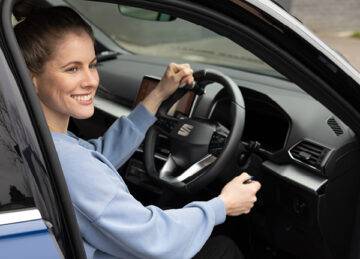
If You’re the Driver
Driving adaptations help you control the vehicle safely, such as:
However, many drivers also need access adaptations to get in and out of the car, and stowage adaptations to load and secure mobility equipment independently.
This might include:
In other words, driving adaptations support how you drive, while access and stowage adaptations focus on entering, exiting, and safely transporting mobility equipment.
If You’re a Passenger
Passengers typically rely on access and stowage adaptations only, such as boot hoists or transfer solutions, with no changes required to the driving controls.
Understanding this distinction helps narrow down the most relevant options from the start.
Book Your Tailored Mobility Assessment
Our mobility experts understand your needs in detail and recommend the right adaptations to ensure safety, comfort, and independence.
Step 2: Wheelchair, Scooter, or Transfer?
How you move between your mobility aid and the vehicle plays a huge role in choosing the right adaptations. At this stage, it’s less about the type of mobility equipment you use, and more about how you transfer.
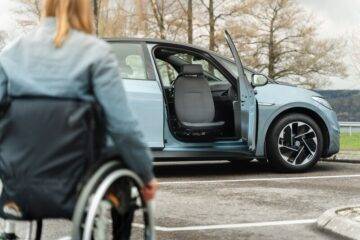
If You Need to Remain in Your Powerchair
Some people need to stay seated in their powerchair at all times and cannot transfer into a car seat.
In these cases, solutions may include:
- Wheelchair passenger vehicles (WAVs)
- Ramps or lifts for level access
- Wheelchair restraint and occupant safety systems
These allow you to travel safely and comfortably without transferring, either as a passenger or, in some cases, as a driver.
If You Require Assisted Transfer
If you can transfer but need help from another person, the focus is on making that process safer and less physically demanding for both you and your carer.
This might involve:
- Swivel seats
- Transfer plates
- Grab handles
- Person hoists to reduce lifting strain
Importantly, many of these adaptations are designed to support independence over time. With the right tools and setup, someone who initially needs assistance may be able to transfer on their own, reducing reliance on a carer and increasing confidence and mobility.
If You Are Fully Independent (Self-Transfer)
If you’re able to transfer independently, adaptations are often designed to preserve that independence and reduce effort.
Common options include swivel seats or transfer plates for supported access. Even small changes can make a big difference to comfort, energy levels, and confidence when travelling.
This step plays a big role in determining what adaptations are available for cars that will genuinely fit your routine.
Step 3: Mobility, Strength & Movement Capabilities
No two people have the same physical abilities and that’s why adaptations should never be a one-size-fits-all approach.
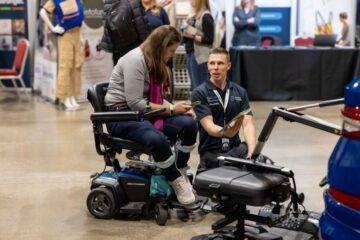
Factors to consider include:
- Upper and lower body strength
- Range of movement
- Balance and coordination
- Fatigue levels or fluctuating conditions
For example, some drivers may need light-touch electronic controls, while others prefer mechanical hand controls. This is where professional guidance becomes especially valuable.
Driving and Mobility Assessments
Do I need a driving assessment before getting adaptations?
While not always mandatory, a driving or mobility assessment is strongly recommended to ensure safety, comfort, and long-term suitability.
- If you require driving adaptations but have never driven with them before, a disability driving assessment is essential. It identifies the exact driving aids that will best support you and ensures you can operate the vehicle safely.
- For all other adaptations, a mobility assessment is extremely useful. It allows you to try adaptations in action and receive recommendations from a trained specialist on the most suitable products for your needs, whether that’s transfer aids or stowage solutions.
A professional assessment ensures your adaptations match not only your abilities but also your vehicle and lifestyle.
Step 4: Vehicle Type & Boot Size
When it comes to car adaptations, most vehicles can be adapted, but not every adaptation is suitable for every vehicle. Many adaptations come with vehicle-specific fitting kits to ensure the safest and most reliable installation. That’s why it’s essential to check compatibility with a qualified adaptations supplier. Our team at Mobility in Motion can check and confirm the best options for your vehicle.
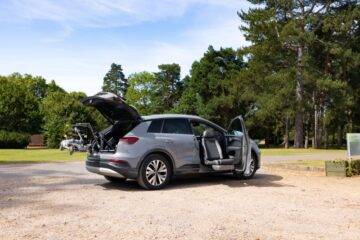
Key factors to consider include:
- Boot size and shape
- Door opening height
- Seat height
- Manual vs automatic transmission
Contrary to a common misconception, you usually don’t need to factor in the fuel type as petrol/diesel/hybrid and EVs can be adapted.
Many vehicles can be adapted, but not all cars are suitable for every adaptation. Matching the right vehicle to the right product is essential to ensure safety, comfort, and long-term usability.
If you’re planning to purchase a brand-new adapted car, our Adapt & Drive service can guide you through selecting a vehicle that’s compatible from day one, so you get the adaptations you need without compromise.
Step 5: Book a Mobility in Motion Assessment
At Mobility in Motion, every customer begins with a mobility assessment; it’s a standard and essential part of our process.
This assessment allows us to understand your needs in detail and recommend the right adaptations to ensure safety, comfort, and long-term independence. Rather than guessing which solutions might work, you receive clear, tailored guidance based on your mobility, vehicle, and lifestyle.
During your assessment, our specialists take the time to explore:
- Your lifestyle and goals — work, family life, and daily routines
- Your physical needs — mobility, strength, coordination, fatigue levels, and any progressive conditions
- Your current vehicle (or future vehicle) — ensuring compatibility and correct installation
- Funding options and practical considerations — so recommendations align with your circumstances
You’ll have the opportunity to see and try different adaptations in action, helping you feel confident about the solutions recommended. From there, we provide personalised advice designed not just for what works today, but for what will continue to support you in the future.
You can learn more about what’s involved in a professional assessment on our Mobility Assessments page.
Funding Support
Can I get funding for vehicle adaptations?
Yes, funding may be available through schemes such as Motability, Access to Work, or charitable grants, depending on your circumstances. We can provide clearer guidance on this within your assessment.
We also provide guidance through our Funding & Finance support page, helping you understand available routes and what may be required when applying.
Choosing the right vehicle adaptations isn’t just about equipment, it’s about confidence and clarity. Beginning with a professional mobility assessment ensures you move forward with the right solution built around your independence.
Start your journey with a Mobility in Motion assessment today.
A Smarter Way to Choose Vehicle Adaptations
Finding the right solution doesn’t have to be complicated. With the right guidance, choosing car adaptations becomes a clear, empowering process, one that supports your independence rather than limiting it.
If you’re still wondering how do I know what car adaptations I need?, the answer is simple: start with expert advice.
Book a Mobility in Motion assessment today, or explore Adapt & Drive if you’re looking for a brand-new adapted vehicle designed around you.
Frequently Asked Questions About Vehicle Adaptations
How do I know what car adaptations I need?
Choosing the right adaptations depends on whether you are a driver or passenger, how you transfer, your mobility and strength, and your vehicle type. A Mobility in Motion assessment helps identify the most suitable solutions tailored to your needs.
What is the difference between driving adaptations and stowage adaptations?
Driving adaptations modify how you operate the vehicle, such as hand controls, steering aids, or pedal modifications. Stowage adaptations help you safely load and transport mobility equipment like wheelchairs or scooters.
Can I get funding for vehicle adaptations?
Yes, funding may be available through schemes such as Motability, Access to Work, or charitable grants, depending on your circumstances. Explore our Funding & Finance guide for more details on different funding routes.
Do I need a driving assessment before getting adaptations?
If you require driving adaptations and have never driven with them before, a disability driving assessment is essential to identify the right controls for your abilities. For other adaptations, a mobility assessment allows you to try adaptations and receive expert recommendations.
Can any car be adapted for disability?
Many vehicles can be adapted, but not all cars are suitable for every adaptation. Vehicle-specific fitting kits are often required to ensure a safe and reliable installation. Matching the right vehicle to the right adaptation is essential, and EVs can also be adapted.
Accessible travel
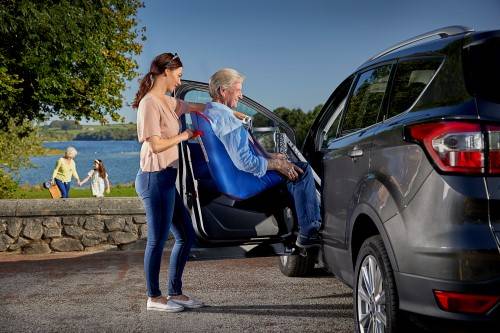
How to Help Elderly Get In and Out of a Car Safely (Without Injury)
Helping an elderly person in and out of a car can be challenging and physically demanding for both the person and their caregiver. Whether it’s for…
Driving with adaptations
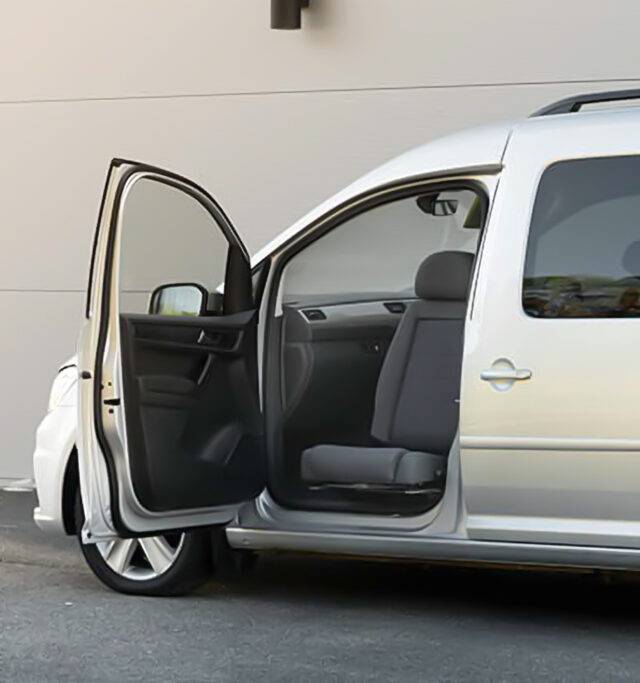
Adapted Vehicles: Types, Benefits & Solutions for Disabled Drivers
What Are Adapted Vehicles? Adapted vehicles are specially modified cars or vans designed to help people with physical disabilities drive or travel independently. Whether you need…
Accessible travel
Mobility Scooter Grants UK: How to Get Funding & Financial Help
Mobility scooter grants in the UK can help cover some or all of the cost of a mobility scooter, making independent travel more accessible. At Mobility…