Boot Hoists vs Wheelchair Roof Boxes: Which Is Right for You?
If you rely on a wheelchair or mobility scooter, transporting it safely and conveniently is a key consideration. Two of the most popular solutions are boot hoists and wheelchair roof boxes, but how do you know which is right for your vehicle and lifestyle? This guide breaks down what each adaptation is designed for, key differences, and practical factors like cost, vehicle compatibility, and usability.
What Are Boot Hoists and Wheelchair Roof Boxes?
Boot Hoists
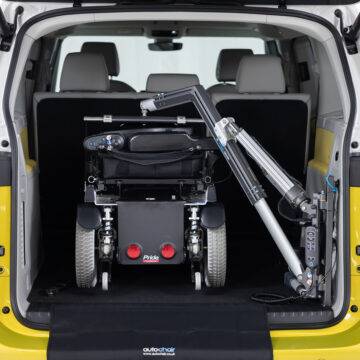
A boot hoist (sometimes called a boot lifter) is designed to lift and store wheelchairs, powerchairs or mobility scooters directly into your car’s boot.
Key benefits:
- Alleviates the physical strain of manual lifting
- Loads quickly, often within 60 seconds
- Securely stores your mobility device inside the vehicle
- Compatible with hundreds of vehicles and mobility devices
Considerations:
- Requires enough boot space to accommodate the lift and your mobility device
- The parcel shelf needs to be removed and depending on vehicle and mobility device combination, you may have to fold back row seats via the 60/40 split.
- Vehicle compatibility must be checked carefully
Learn more about our range of boot hoists, from the UK’s No.1 Best Selling Hoist to the Most Powerful Hoist on the market, we have a choice to suit all needs.
Wheelchair Roof Boxes
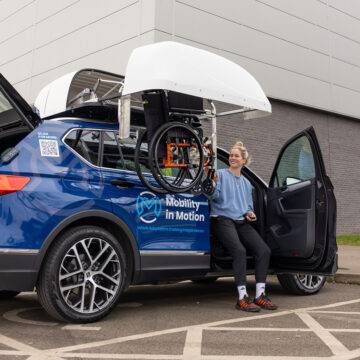
A wheelchair roof box (also called a roof carrier) lifts the wheelchair onto a roof-mounted box, keeping the boot free for other luggage.
Key benefits:
- Frees up boot space for luggage or other items
- Can be installed on many vehicle types with a roof rack
- Ideal for independent drivers
Considerations:
- Raises the height of your vehicle (important to consider for height-restricted car parks, garages, and drive-throughs)
- Only suitable for folding wheelchairs up to 20kg
- Vehicle compatibility must be checked carefully
Try them out for yourself!
Book your demonstration today and see which solution is right for you.
Boot Hoist vs Roof Box: Key Differences
| Feature | Boot Hoist | Wheelchair Roof Box |
| Ease of Use | Simple and easy to operate; requires ability to stand for a short period while loading | Simple and can be operated while seated in the car |
| Vehicle Compatibility | Boot must be large enough to accommodate your specific mobility device | Requires roof bars with a weight capacity of 75kg or more; suitable only for folding wheelchairs up to 20kg |
| Boot Space | Reduces usable boot space | Boot remains free for luggage |
| Cost | More affordable; prices start from £1,295, most popular model £1,895 (includes installation & 3-year warranty) | More expensive; starts from £5,495 (includes installation & 3-year warranty) |
| User Scenario | Ideal for ambulatory users or carers who can stand beside the car while loading | Good for users who transfer into the car first and then load the wheelchair into the roof box |
Cost Considerations
What is the cost difference between a roof box and a boot hoist?
Contrary to what some might expect, a wheelchair roof top box is the more expensive option, with the retail price starting from £5,495. This includes professional installation and a 3-year warranty for peace of mind.
In comparison, our range of boot hoists starts from £1,295, with the most popular model retailing at £1,895, also including installation and a 3-year warranty.
Funding may be available to help cover the cost of both boot hoists and roof boxes. Learn more about options through our Funding & Finance support page.
Safety and Usability
Are roof boxes safer than boot hoists?
Both options are simple, reliable, and safe when installed and used according to manufacturer guidelines.
Which is easier to use: a roof topper or a boot hoist?
Both adaptations are designed for ease of use, but suitability depends on the user’s abilities and requirements:
- Boot hoists require a certain level of mobility i.e. ambulatory users or carers can safely stand beside the vehicle, load the wheelchair, and transfer into the car seat, making it ideal for assisted or independent loading.
- Wheelchair roof boxes are particularly useful if you need to transfer into the car seat first and then load the wheelchair into the roof box — a good solution if independent loading from the boot is difficult.
Ultimately, the choice comes down to your physical capabilities, vehicle setup, and travel needs. A professional assessment can help determine which option is most suitable for you.
Vehicle Suitability
Can a roof hoist lift an electric wheelchair?
Typically, no — boot hoists are designed to lift most folding manual wheelchairs weighing up to 20kg. However, as new lightweight and folding powerchairs become available, more options are opening up for roof lifts.
Do I lose boot space with a wheelchair hoist?
Yes. A boot hoist stores the wheelchair inside the vehicle, which reduces available luggage space.
Car Roof Box vs Vehicle Hoist
Your choice depends on your priorities: convenience, physical capabilities, boot space, and travel needs. A professional mobility assessment can help determine the most suitable solution for you.
Why a Mobility in Motion Assessment Is Essential
Choosing between a boot hoist and a wheelchair roof box isn’t just about preference, it’s about finding the right fit for your vehicle, mobility aid, and lifestyle.
At Mobility in Motion, every customer starts with a mobility assessment, where our specialists:
- Evaluate your wheelchair or mobility scooter dimensions and weight
- Assess your vehicle’s boot and roof compatibility
- Test adaptations in action to find the easiest and safest solution for you
- Advise on costs and funding options
Frequently Asked Questions About Boot Hoists and Wheelchair Roof Boxes
What is the difference between a boot hoist and a roof box?
A boot hoist lifts your wheelchair or mobility scooter into the car boot. A wheelchair roof box stores the wheelchair on the roof, keeping the boot free.
Can a roof hoist lift an electric wheelchair?
Typically, no. Roof hoists lifts are designed for folding manual wheelchairs up to 20kg. As lightweight folding powerchairs become available, more options may become suitable for lifts.
Does a wheelchair roof box increase fuel consumption?
Yes, slightly. Placing a wheelchair on the roof adds weight and changes aerodynamics, which may marginally increase fuel consumption. Boot hoists have minimal impact.
Do I lose boot space with a wheelchair hoist?
Yes. A boot hoist stores the wheelchair inside the vehicle, reducing available luggage space. Roof boxes keep the boot free.
Which is easier to use: a roof topper or a boot hoist?
Yes. Boot hoists, platform lifts, and wheelchair roof boxes allow safe, powered loading without manual lifting.
Product Guides
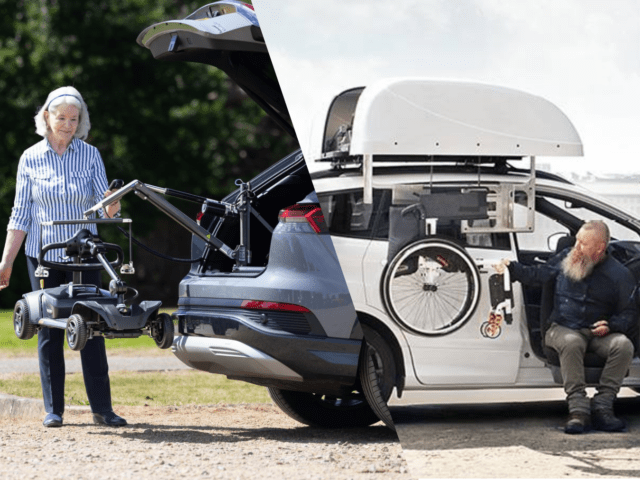
Boot Hoists vs Wheelchair Roof Boxes: Which Is Right for You?
Two of the most popular solutions are boot hoists and wheelchair roof boxes, but how do you know which is right for your vehicle and lifestyle?
Accessible travel
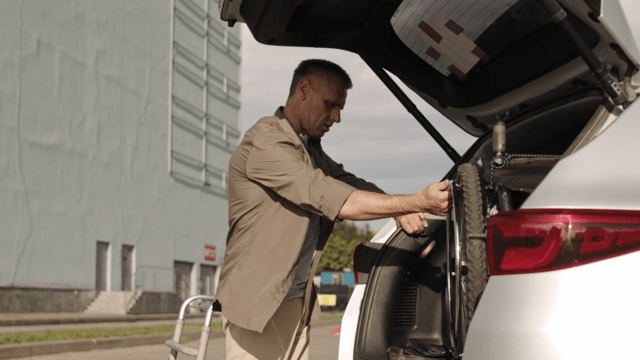
Why Lifting a Wheelchair/Scooter Into a Car Causes Injury – and How to Avoid It
Understanding the risks of lifting wheelchairs manually is the first step toward protecting your long-term health.
Driving with adaptations
What Happens If My Needs Change After Adapting My Car?
Adapting your car is a big decision, especially if your condition is progressive, your circumstances may change, or you’re unsure how long you’ll keep your current…