Home Health Checks: Protecting Air Quality, Warmth & Wellbeing.
As the colder months approach, our homes play a vital role in keeping us warm, comfortable, and safe. Yet winter can also bring challenges such as poor air quality, damp, mould, and insulation issues—factors that can impact health, particularly for those with respiratory conditions, heart disease, reduced mobility, or weakened immune systems (National Institute for Health and Care Excellence, 2015).
At Mobility in Motion, we know that accessibility doesn’t stop at the front door. That’s why we’re thrilled to partner with Homes Reimagined, experts in creating safe, healthy, and fully accessible living environments. Just as we help people travel confidently in adapted vehicles, Homes Reimagined ensures that homes are equipped to support independence, comfort, and safety for everyone.
Together, we believe that accessible living and accessible travel go hand in hand. To explore more about staying safe on the road this winter, check out our featured blog on their site: Driving with Confidence This Winter: Accessible Vehicle Safety Tips from Mobility in Motion.
Why Winter Air Quality Matters
During winter, we tend to keep windows closed and heating on for longer periods. This traps moisture, dust, allergens, and pollutants inside our homes.
Poor indoor air quality has been linked to:
- Worsening asthma and COPD symptoms
- Increased risk of respiratory infections
- Fatigue, headaches, and poor sleep
- Irritation of the eyes, nose, and throat
For people living with chronic lung conditions, heart disease, autoimmune issues, or mobility difficulties, maintaining clean, warm air indoors is essential for health and daily functioning. In the winter period of 2017/18 there were an estimated 50,100 winter deaths in England and Wales.. Over a third of these excess winter deaths were people ages over 65 caused by respiratory diseases (Age UK, 2019).
Key Winter Checks for a Safe & Healthy Home
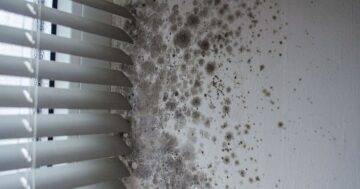
Look for Damp and Mould
Damp thrives in poorly ventilated spaces, and mould can develop quickly in colder months. Both can trigger or worsen breathing problems, allergies, and infections.
Check for:
- Black or green spots on walls, ceilings, or window frames
- Musty smells
- Condensation on windows
- Peeling wallpaper or bubbling paint
- Cold, damp corners behind furniture
Actions to take:
- Open windows briefly each day to allow fresh air flow
- Leave internal doors open to improve ventilation
- Use a dehumidifier if moisture levels are high
- Address leaks or water ingress immediately
If mould is persistent, professional assessment and treatment may be required
Inspect for Draughts
Draughts not only reduce warmth and comfort but can also drive up energy bills and make it harder for vulnerable individuals to maintain a safe indoor temperature.
Common areas where draughts occur:
- Around windows and doors
- Letterboxes
- Loft hatches
- Electrical outlets on external walls
- Gaps around pipework
Simple remedies include:
- Draught-proofing strips around windows and doors
- Letterbox brushes
- Weighted draught excluders
- Sealant around gaps
Ensuring a stable indoor temperature is especially important for those with poor circulation, heart conditions, or mobility limitations
Monitor Ventilation & Airflow
Good ventilation helps remove moisture, allergens, carbon dioxide, and pollutants from cooking or heating.
We recommend the following checks:
- Extractor fans are working in kitchens and bathrooms
- Trickle vents on windows are open and functional
- Air bricks are unobstructed
- Mechanical ventilation systems are serviced
Remember: ventilation doesn’t mean losing heat it means ensuring the air inside your home stays fresh and healthy.
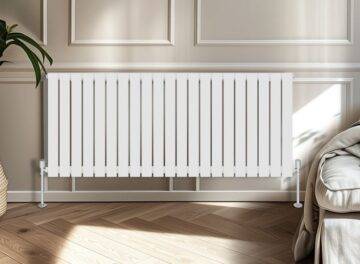
Check Heating Systems & Radiators
A well-maintained heating system keeps your home warm and reduces the risk of damp and mould.
Winter checks should include:
- Bleeding radiators to ensure even heat
- Ensuring thermostats and timers work correctly
- Servicing your boiler (ideally annually)
- Ensuring radiators aren’t blocked by furniture
Keeping room temperatures consistent is vital for older adults and individuals with underlying health problems.
Assess Insulation
Good insulation keeps heat inside your home, making it more cost-effective to stay warm.
Check for issues in:
- Loft insulation
- Cavity walls
- Exterior walls
- Flooring
Cold spots on walls or unusually high heating bills can indicate insulation deficiencies.
Monitor Indoor Pollutants
Everyday activities can worsen indoor air quality, especially when the home is closed up in winter.
Consider:
- Avoiding indoor drying of clothes where possible
- Using cooker hoods while preparing meals
- Minimising use of aerosols and strong cleaning chemicals
- Maintaining smoke alarms and carbon monoxide detectors
For those living with: COPD or asthma, chronic heart disease, immune system difficulties, chronic fatigue or long-term conditions or mobility issues; Maintaining clean air and stable warmth is more than comfort, it’s a key part of managing health and preventing exacerbations or hospital admissions (Public Health England, 2018).
Cold, damp environments increase strain on the heart and lungs, promote infections, and make self-care more difficult. A safe, warm, well-ventilated home directly supports daily independence and long-term wellbeing (Institute of Health Equity, 2024).
Government Initiatives to Support You
The UK government’s main initiative is Awaab’s Law, part of the Social Housing Regulation Bill, enforcing strict timeframes for social landlords to fix serious damp, mould and emergency repairs, starting October 2025 (Housing Ombudsman, 2025).
How Homes Reimagined Can Help
At Homes Reimagined, we are committed to creating safe, accessible, and healthy living spaces through:
- Home assessments
- Adaptations for accessibility and safety
- Advice on damp, mould, and ventilation
- Energy efficiency recommendations
- Support for individuals with complex health needs

Whether improving insulation, enhancing ventilation, or addressing damp issues, our goal is to help every home support comfort, independence, and long-term health.
References:
- National Institute for Health and Care Excellence (NICE) (2015) – Excess winter deaths and morbidity and the health risks associated with cold homes
- Age UK – The health and care of older people in England 2019
- Office for National Statistics (2021) – Excess winter mortality in England and Wales: 2020 to 2021 (provisional)
- Public Health England (2018) – Cold weather plan for England: Protecting health and reducing harm from cold weather
- Institute of Health Equity (IHE) (2024) https://www.instituteofhealthequity.org/resources-reports/left-out-in-the-cold-the-hidden-impact-of-cold-homes
- Housing Ombudsman (2025) https://www.housing-ombudsman.org.uk/centre-for-learning/key-topics/awaabs-law/
Accessible travel
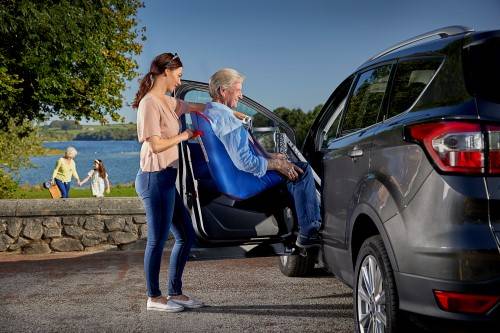
How to Help Elderly Get In and Out of a Car Safely (Without Injury)
Helping an elderly person in and out of a car can be challenging and physically demanding for both the person and their caregiver. Whether it’s for…
Driving with adaptations
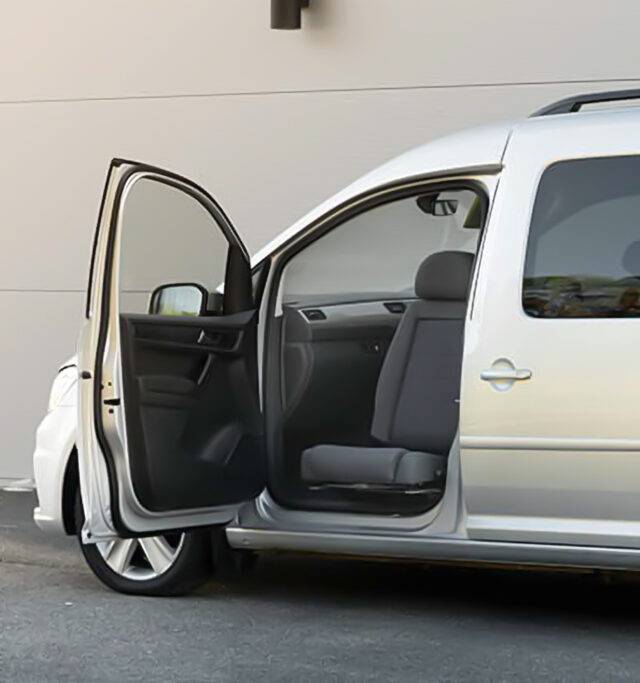
Adapted Vehicles: Types, Benefits & Solutions for Disabled Drivers
What Are Adapted Vehicles? Adapted vehicles are specially modified cars or vans designed to help people with physical disabilities drive or travel independently. Whether you need…
Accessible travel
Mobility Scooter Grants UK: How to Get Funding & Financial Help
Mobility scooter grants in the UK can help cover some or all of the cost of a mobility scooter, making independent travel more accessible. At Mobility…