How Do I Know Which Car Adaptation Is Right for Me?
Discover our Adaptation Decision Guide
Choosing the right vehicle adaptation can feel overwhelming. With so many products available, from hand controls to swivel seats and boot hoists, many drivers worry about making the wrong choice.
The good news is that selecting the right solution doesn’t start with the product. It starts with understanding your mobility needs and how you use your vehicle day-to-day.
This guide walks you through a simple vehicle adaptation checklist to help you evaluate your options and decide whether speaking to a mobility specialist or booking an assessment could help you find the best solution.
Step 1: Start by Identifying Your Mobility Needs

Before looking at adaptations, it’s important to assess your mobility needs and daily requirements.
Many people jump straight to researching the adaptations, but the most effective approach is to first understand how your mobility affects driving, entering the vehicle, and travelling comfortably.
Questions to ask yourself
- Do you find it difficult to step into or out of the car?
- Is transferring from a wheelchair to the driver or passenger seat challenging?
- Do you struggle with operating pedals, steering or vehicle functions?
- Is loading a wheelchair or mobility scooter uncomfortable or painful?
- Do you experience fatigue or pain during longer journeys?
Answering these questions helps with identifying mobility needs and understanding what type of solution may help. For many drivers, this stage reveals that the challenge is not always driving itself, but getting seated or storing mobility devices safely.
Step 2: Understand Your Mobility Challenges in Real-World Driving
Mobility needs vary significantly from person to person. Two drivers with similar conditions may require completely different adaptations depending on their mobility, flexibility, vehicle type, and lifestyle.
When evaluating mobility needs, specialists typically look at:
- Function or range of motion in arms and legs
- Grip strength and control
- Ability to rotate or transfer into a seat
- Driving frequency and journey types
- Whether a wheelchair or mobility scooter is used
This kind of automotive adaptation analysis helps ensure the solution works safely and comfortably long term, not just in theory.
Step 3: Consider Which Types of Adaptations May Help
Once mobility challenges are understood, you can begin choosing mobility aids or vehicle adaptations that address them.
Some of the most common solutions include:
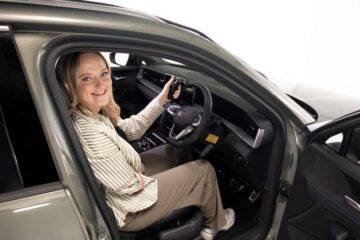
Driving control adaptations
These solutions help you safely and independently control the vehicle.
Access adaptations
Adaptations to help you get seated with ease in and out of the car.
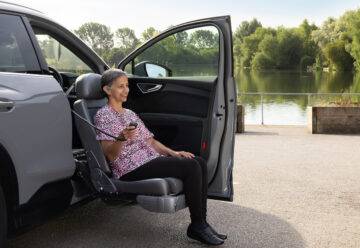
- Swivel seats
- Transfer plates
- Person hoists
- Grab handles
Mobility storage solutions
Systems to easily lift, load and store your mobility device.
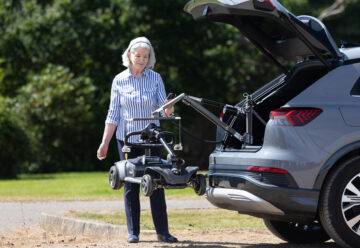
- Boot hoists for wheelchairs or scooters
- Rooftop wheelchair storage systems
- Platform lifts
The right solution often involves a combination of adaptations, tailored to your specific mobility needs.
Step 4: Use a Simple Vehicle Adaptation Checklist
If you’re unsure where to start, this quick and simple vehicle adaptation checklist can help guide your thinking:
- Can you comfortably enter and exit your vehicle?
- Can you safely transfer from a wheelchair into the car seat?
- Are the pedals and steering manageable without strain?
- Can your wheelchair or mobility aid be loaded independently
- Do you feel safe and stable while driving?
- Are longer journeys comfortable?
If you answered no to any of these, a vehicle adaptation assessment may help identify the most suitable options.
Step 5: Consider a Professional Mobility Assessment

Choosing adaptations without expert guidance can lead to unnecessary costs or unsuitable products.
At Mobility in Motion, every customer starts with a mobility assessment, a standard step to evaluate your needs and recommend the safest, most comfortable adaptations. We offer UK-wide home visits and, for certain requirements, online assessments for ultimate convenience.
Assessments also allow you to try adaptations in action using our demonstration vehicles, giving you confidence before making a decision. Learn more about what to expect on our Mobility Assessments page.
Ready to find the right adaptations?
Book your assessment today and take the first step toward safer, more comfortable driving.
Frequently Asked Questions
How Is a Vehicle Adaptation Need Evaluated?
A vehicle adaptation need is typically evaluated through a driving or mobility assessment.
This may include:
- Discussing your mobility challenges and lifestyle
- Reviewing how you enter, exit and drive your vehicle
- Testing different adaptations where possible
- Assessing vehicle compatibility
The goal is to match the right adaptation to your physical needs and driving habits, ensuring safety and comfort.
What Factors Should I Consider When Choosing Mobility Aids?
When choosing mobility aids for driving, consider:
- Your current mobility level
- How your condition may change over time
- Vehicle size and layout
- Ease of use and independence
- Storage requirements for wheelchairs or scooters
The best solutions are those that reduce physical strain and improve independence while keeping driving safe.
Do I Need to See an Occupational Therapist for Car Adaptations?
You don’t need to see an Occupational Therapist for car adaptations, it’s best to speak with a specialist vehicle adaptations company such as Mobility in Motion.
However, an Occupational Therapist (OT) may be recommended if:
- You need formal guidance for driving safety
- Adaptations are being funded through a scheme or grant where an OT is required to sign off on the recommended adaptations
Can I Try Adaptations Before I Buy Them?
Yes, and it is strongly recommended.
Trying adaptations allows you to:
- Test comfort and ease of use
- Compare different solutions
- Build confidence before committing
At Mobility in Motion we offer demonstrations in our assessment sessions where you can experience different adaptations before making a decision.
Find the Right Car Adaptation for Your Needs
Choosing the right vehicle adaptation doesn’t have to be complicated. With the right guidance, you can find a solution that makes driving and travelling easier, safer and more comfortable.
If you’d like help understanding your options, the team at Mobility in Motion can guide you through the process and help identify the best solution for your mobility needs.
Book an assessment or speak with a specialist today to explore your options.