Motability Reforms Could Roll Back Accessible Mobility
Written by Emma Jewsbury at MotaClarity
For many disabled people, getting from A to B is about far more than convenience – it’s about independence, opportunity and being able to live life on their own terms. The Motability Scheme has been a cornerstone of that independence for decades, giving people reliable, affordable access to a vehicle that meets their needs. However, reforms linked to policy changes announced by the Government last year, along with recent and planned adjustments to the scheme, risk undermining exactly what it was designed to protect. Here, Emma from MotaClarity explores the potential impact of these changes.
Earlier this month, a coalition of 70 organisations, led by Transport for All, wrote to the Minister for Disabled People, Sir Stephen Timms, urging him to hear evidence on the impact of the planned reforms. Their message was clear: these policy decisions are being implemented without fully understanding how disabled people actually travel, and what the consequences could be.
Disabled people and advocacy groups are already reporting real restrictions on their freedom to travel. According to Disability News Service, some of the recently announced changes, including increased costs linked to tax reforms and insurance changes, are beginning to have an impact. Campaigners say these developments could limit choice and put additional pressure on the very people the scheme was meant to support.
Why Motability Matters To Disabled Motorists
For many, public transport simply isn’t a viable alternative. Accessibility is inconsistent and services can be unreliable. In some areas, a car is the only realistic way to get around. That’s why the vehicles provided through Motability are so critical: they’re not just convenient – they’re essential for work, healthcare, education, and social life. Restricting access isn’t just an inconvenience; it’s a direct challenge to independence.
The Scheme’s Recent Changes
Several reforms introduced over the past year, following the Government’s wider policy announcements, are already affecting users. These include higher upfront costs for many vehicles, tighter eligibility and insurance rules, and reduced choice of models following the removal of all vehicles from ‘premium’ manufacturers. Taken together, Transport for All argue that these changes risk putting mobility further out of reach for the people who need it most.
For a detailed breakdown of the recent and upcoming changes and what they could mean for Motability customers, see MotaClarity’s guide to the 2026 Motability Scheme changes.
Grounding Policy In Real Experience
The evolving changes to the Motability Scheme highlight the importance of policy that is informed by the people it affects. Vehicles provided through the scheme aren’t just tools; they are a lifeline that supports independence and full participation in society. Any decisions about reform must reflect the lived realities of disabled people, or risk undoing decades of progress.
The letter from a coalition of 70 organisations, which includes Disability Rights UK, Action on Disability, Campaign for Disability Justice and MS Society, is a timely reminder: policy decisions must be grounded in evidence and empathy.
Not eligible for Motability?
Explore our new Adapt & Drive Scheme – a flexible way to purchase a brand-new vehicle, fit it with the adaptations you need, and own it outright at the end of the plan.
We’re grateful to Mobility in Motion for giving us the opportunity to highlight these important issues and amplify the voices of people who rely on the Motability Scheme every day.
News
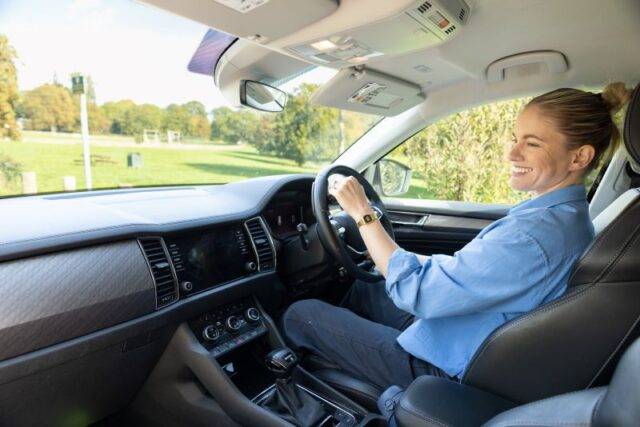
What do PIP changes mean for your mobility?
PIP is under review. Find out what the Timms Review could mean for your mobility allowance and Motability car, and your options for staying mobile.
News
The Adaptation Gap
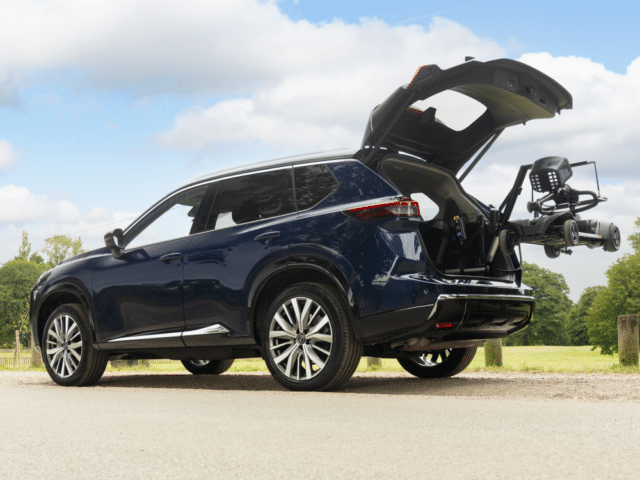
Disabled people know adapted driving exists, but three in four don’t know if they qualify for help.

Accessible travel
Making Family Life Easier: Choosing The Right Vehicle For Disabled Families
Whether you’re transporting a wheelchair, or adapting the vehicle for a disabled driver, find out how to choose the right vehicle.

Emma Jewsbury
A writer, marketeer and blogger with over 15 years' experience in the automotive and advertising industry, Emma graduated from the University of Sheffield in 2011 and went on to work at MB Advertising, handling the advertising and content needs of automotive clients, before moving on to Uber Agency, where she predominantly worked on TV campaigns for international brands. She now helps independent TV agencies to implement national media campaigns. Emma is a key part of the team at MotaClarity, and also runs the thegoodmoodmix blog.