Adapted Vehicles: Types, Benefits & Solutions for Disabled Drivers
Written by Chiara Torr-Norris, Marketing Executive
What Are Adapted Vehicles?
Adapted vehicles are specially modified cars or vans designed to help people with physical disabilities drive or travel independently. Whether you need assistance entering your vehicle, operating the controls, or storing mobility equipment, there’s an adaptation to suit your needs.
At Mobility in Motion, we help match drivers with the right solutions for freedom, safety, and comfort on the road.
Types of Vehicle Adaptations
Adapted vehicles come in many forms. Below are the most common adaptations:
Driving Controls
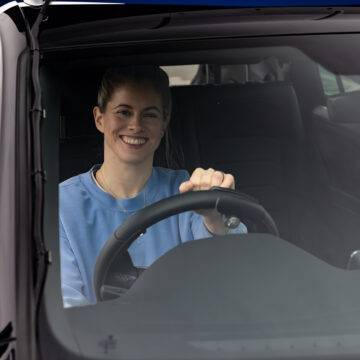
If you have limited use of your legs or need alternative control methods, driving adaptations can make all the difference:
- Hand Controls – Operate the accelerator and brake with a hand lever instead of pedals. Perfect for drivers without leg mobility.
- Left-Foot Accelerators – Designed for those who cannot use their right leg.
- Steering Aids & Spinner Knobs – Supports safe one-handed driving, particularly useful for hand control users.
- Secondary Control Systems – Allows drivers with limited mobility to steer the car and operate a range of secondary functions, such as the indicators, horn, headlights and wipers – from one device.
- Electronic Driving Systems – Advanced joystick controls for complex mobility needs.
Access & Seating Solutions
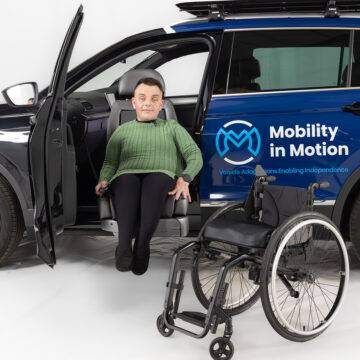
Getting in and out of a vehicle safely is key. These adaptations make that easier:
- Swivel Seats – Rotate out of the vehicle and can lower to make entry and exit simple.
- Person Hoists – Lift users seated from a wheelchair into the vehicle safely using a sling.
- Transfer Plates – Allow smooth movement from a wheelchair to the car seat.
- Electronic Side Steps – Automatic steps that extend for easier access into taller vehicles.
Loading & Stowage Aids
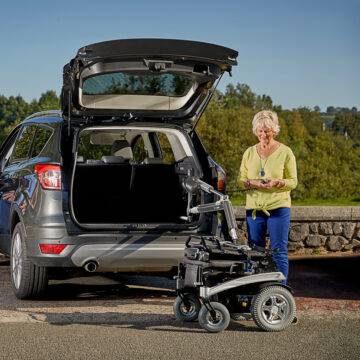
Lift and store your mobility equipment safely with these solutions:
- Boot Hoists – Lift wheelchairs or scooters into the boot, at the touch of a button.
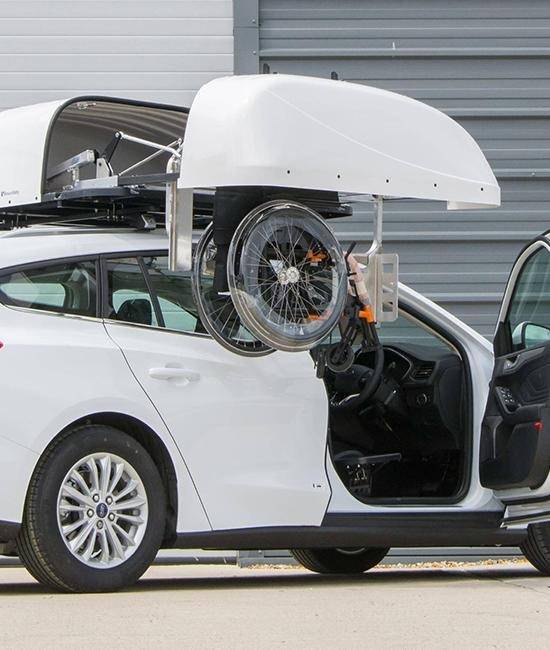
- Roof Stowage Systems – Store a folding wheelchair on the roof of your vehicle inside a weatherproof box.
- Wheelchair Accessible Vehicles (WAVs) – Vehicles with ramps or lifts built in to enable a wheelchair user to travel within the vehicle whilst remaining seated in their wheelchair.
Government support and funding
If you receive a qualifying mobility allowance from the government and have at least 12 months award length remaining, you could be eligible for funding from The Motability Scheme towards a vehicle and adaptations. Motability is a government-funded program that allows you to exchange your mobility allowance for a car, Wheelchair Accessible Vehicle, adaptations, or a mobility device.
If you’re not eligible for Motability funding, there are several alternative options:
- Charity grants and financial assistance for vehicle adaptations
- Payment plans to spread the cost of your adaptations
- Our Adapt & Drive scheme – a flexible way to purchase a new vehicle, fit it with the adaptations you need, and own it outright at the end of the plan
Explore Adapt & Drive and see how it compares with traditional options.
Real-Life Example: Judith’s Story
Judith was just 25 when her mobility changed dramatically after developing Ehlers?Danlos Syndrome and fibromyalgia. Once an active driver, she gradually lost confidence behind the wheel as her condition caused joint dislocations, pain, and reduced strength in her hands. Eventually, driving became unsafe, and she was forced to stop.
After discovering Mobility in Motion, Judith was assessed and fitted with several tailored vehicle adaptations, including:
- A tetra grip steering aid, allowing her to maintain safe control even if her hands weakened
- A transfer plate, helping her move safely in and out of the vehicle
- An extended boot handle, enabling her to open the boot independently
These adaptations transformed her driving experience and restored her confidence and freedom. Judith said:
“I can actually steer the car now with no problems… I’m not going to feel disabled, I’m going to feel normal.”
Thanks to the right adaptations, Judith can now drive safely again and access her car independently, something that has had a profound impact on her daily life and wellbeing.
Benefits of Adapted Vehicles
The right vehicle adaptations can be life-changing, helping you get back to doing the things that matter most.
For many people, it means regaining independence, whether that’s driving to work, visiting loved ones, or simply getting out and about without relying on others.
Adaptations can also help you feel more confident and comfortable behind the wheel, with solutions designed around your individual needs. From making it easier to get in and out of your vehicle, to enabling you to drive safely, the right setup removes barriers and makes everyday life easier.
Most importantly, vehicle adaptations open up new possibilities, giving you the freedom to travel on your own terms.
How to Choose the Right Adaptation
Every driver has unique requirements. Our mobility assessment evaluates:
- Your current abilities and needs
- The type of vehicle you have or want
- Available adaptation options
This ensures you get the right solution, tailored specifically for you, your vehicle and your lifestyle.
Take the Next Step
Ready to regain your independence? Book your mobility assessment today and let our team recommend the best adaptations for your lifestyle.
FAQs About Adapted Vehicles
Can adaptations be fitted to any vehicle?
Most cars and vans can be adapted, but we’ll guide you to the safest and most effective solution.
Are driving adaptations funded?
Depending on eligibility, funding may be available through programs like Motability or charitable grants. Adapt & Drive is a new scheme which offers an alternative and flexible way to own an adapted car.
What’s the difference between WAVs and adapted vehicles?
WAVs have built-in ramps or lifts for wheelchairs and are typically van derived. Adapted vehicles allow you to adapt most makes and models to suit your accessibility requirements, so you don’t need to compromise on the car you want.
Driving with adaptations
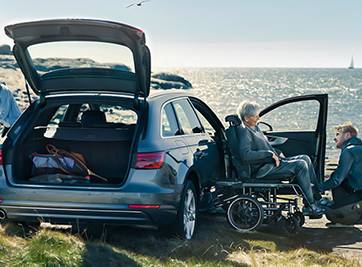
Alternatives To a Wheelchair Accessible Vehicle
When requiring a vehicle to accommodate a wheelchair user, either as a passenger or driver, many people think that their only option is a Wheelchair Accessible…
Accessible travel
How Do You Qualify For a Motability Car
The Motability Scheme is a UK registered charity that enables you to exchange your qualifying mobility allowance for a brand-new car. So how do you qualify…

Chiara Torr-Norris
Chiara is a Marketing Executive at Mobility in Motion with eight years of marketing experience, including over six years within the mobility industry. She creates informative, accessible content around mobility, independence and inclusive living.
Growing up alongside a sibling with learning difficulties shaped Chiara’s understanding of the importance of independence, confidence, and inclusion. Today, she combines this personal perspective with her industry knowledge to create helpful, well-researched content that challenges perceptions around mobility and helps individuals and their families make informed, confident decisions about their independence.