What do PIP changes mean for your mobility?
Written by Matt Fieldhouse, Managing Director
If you rely on your Motability car to get to appointments, work, shops, or see family, hearing about changes to Personal Independence Payment (PIP) can be worrying. You may be wondering whether you’ll lose your Motability car, or how you’ll stay mobile if you can no longer use the Scheme.
PIP changes do not automatically mean losing your Motability car. Your car is linked to the mobility part of your PIP. If you still get the enhanced rate for mobility, you can keep your car. No changes to the mobility part of PIP have been decided.
Even so, it’s worth knowing where you stand. We’ll start with the extra costs disabled households face and where PIP reform has got to. Then we’ll look at what would happen if your award changed, and your options for staying mobile.
The extra cost of disability is rising
Disabled households need an extra £1,095 a month on average to have the same standard of living as non-disabled households. That’s according to disability charity Scope’s Disability Price Tag 2025 report.
The average PIP payment of £465 a month covers less than half of that. It leaves £630 a month of extra costs that PIP doesn’t cover. Scope estimates extra costs could reach £1,224 a month by 2029–30.
Extra costs can include:
- specialist equipment
- energy bills
- accessible transport
- personal support
- the practical adjustments needed to manage everyday life
For someone who relies on a car, transport is about more than getting from A to B. It can mean being able to work, attend medical appointments, support family members, or maintain independence.
That’s why losing a Motability car would be hard for many people. They’d have to find extra money for fuel, insurance, or a replacement vehicle, on top of what they already spend on equipment and other disability-related costs. Even a change that looks manageable on paper can put pressure on an already stretched budget.
Scope’s figures are estimates based on its analysis of household data, rather than a bill that every disabled person will face. The costs vary a lot between individuals and families.
How PIP connects to your Motability car

PIP helps with some of the extra costs that come with disability or a long-term health condition. It has two parts, called components: daily living and mobility.
The Motability Scheme lets you swap your mobility allowance for a leased car. Depending on your lease, it can include:
- insurance
- servicing and maintenance
- breakdown assistance
- eligible adaptations
If you get PIP, you need the enhanced rate of the mobility component to join, with at least 12 months left on your award. Some other disability benefits can also give you access to the Scheme.
The two components are assessed separately. A change to your daily living component won’t affect your Motability car on its own. A change to your mobility component can.
If you want to understand the allowance behind your award, read our guide to the disability car allowance or find out more about how to apply for Motability allowance.
Where PIP reform stands now
In March 2025, the government published plans to change PIP, called Pathways to Work. One plan was a new rule for the daily living component. You would have needed at least four points in one daily living activity to qualify. The rule didn’t cover the mobility component, which is the part of PIP that gives access to the Motability Scheme.
The government dropped the four-point rule in July 2025. It also said any changes to how PIP is assessed would wait for the Timms Review, a review of PIP led by Sir Stephen Timms, the Minister for Social Security and Disability.
The Timms Review published a progress report in July 2026. On 9 September, it shared its early ideas for changes. The review has said these aren’t its final recommendations, and it’s still testing them with disabled people and other groups.
As of 30 October 2026, the final report hasn’t been published. In its Budget on 28 October, the government said the review will publish its final report in November. The government will respond before the end of the year, with a White Paper in 2027. A White Paper sets out the government’s plans for new laws.
For now, the current PIP rules stay in place. If you’re worried about your award or a reassessment, check the latest official guidance. If your mobility allowance might be affected, contact Motability directly.
Further information:
What happens to your Motability car if your PIP award changes?
The answer depends on what changes in your award and whether you still qualify for the Scheme.
If you keep the enhanced rate mobility component
If your award still meets Motability’s rules, your lease carries on as normal.
Always check the details of your own award and lease if you receive a new decision.
If your enhanced rate mobility award changes
If you no longer get the enhanced rate for mobility, and you don’t get another allowance that qualifies, your lease will end. For example, moving down to the standard rate means you’ll no longer qualify.
Motability will write to you to explain the next steps and tell you when to return your car. You’ll also get back part of any Advance Payment you made. The letter will set out any other support you can get.
What if my PIP award stops altogether?
If your award ends and you don’t qualify through another allowance, contact Motability as soon as you can. It will explain how to return your car and any support you can get.
Don’t assume the same timescales or financial support will apply to everyone. For example, Motability’s transitional support package only applies to people who joined the Scheme before 2014 and lost their award when moving from Disability Living Allowance (DLA) to PIP before August 2025.
Motability no longer lets customers buy their leased cars. Our guide to buying your Motability car explains what you can do instead.
Can I keep my Motability car during a PIP appeal?
If you disagree with a PIP decision, you can ask the Department for Work and Pensions (DWP) to look at it again. This is called a mandatory reconsideration. If you’re still unhappy with the result, you can appeal.
Contact Motability straight away if you’re challenging a decision that affects your mobility allowance. What you can do depends on your circumstances and how far through the process you are. An appeal doesn’t automatically mean you can keep your car until it’s decided.
Motability’s guide to what happens when your allowance ends explains the Scheme’s rules. For help challenging a PIP decision, contact Citizens Advice.
Your options for staying mobile
If you’re concerned about losing access to a Motability car, it can help to understand the alternatives before you need to make a decision. The right route depends on:
- your mobility needs
- your budget
- the kind of vehicle you need
- whether you want to own a car or keep leasing
Vehicle adaptations
You don’t have to use the Motability Scheme to have a car adapted. Depending on compatibility, adaptations can be fitted to a vehicle you already own or to a car you buy privately.
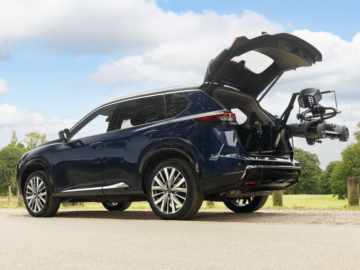
Adaptations can include:
- hand controls and other driving aids
- transfer aids such as swivel seats and transfer plates, to help you get in and out
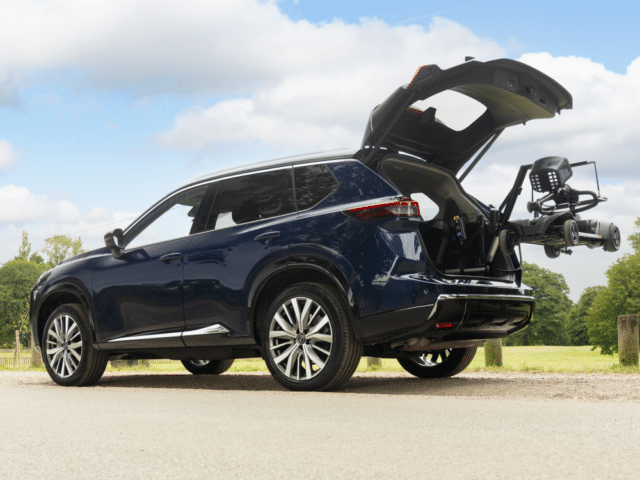
- boot hoists to help load a wheelchair or mobility scooter
The most suitable option depends on how you drive or travel, the equipment you use, and the vehicle itself. A Mobility in Motion assessment can help identify what may work for you.
Adapt & Drive: an alternative to the Motability Scheme
If you’re considering a new car and would prefer to own it, Adapt & Drive offers another route to an adapted vehicle.

Through Mobility in Motion’s Adapt & Drive scheme, you can choose from selected brand-new vehicles and have suitable adaptations professionally fitted around your needs. You can buy outright or spread the cost with finance, subject to eligibility. Once it’s paid off, the car and its adaptations are yours to keep.
Adapt & Drive is open to anyone who would benefit from vehicle adaptations. You don’t need to qualify for the Motability Scheme or get PIP or any other allowance.
Adapt & Drive’s exclusive manufacturer discounts on selected vehicles can help cover the cost of adaptations, and sometimes more than cover it. How much you save depends on the vehicle, its specification, the adaptations, current offers, and your circumstances.
Find out more about Adapt & Drive and whether it could suit you.
Grants and funding
If the cost of an adaptation or vehicle is a concern, it may be worth exploring whether financial support is available. Options to look into include:
- Motability Foundation grants (most are for people on the Motability Scheme)
- support from your local council
- grants from charities
- Access to Work, which can help pay for vehicle adaptations or travel costs so you can get to work
Who can apply, and what’s covered, varies from one fund to another. Access to Work is not a general-purpose grant for buying a private car, so check the rules before relying on it to fund a vehicle or adaptation.
You can explore potential routes through our funding and finance information. For advice about a specific benefit or grant, contact the relevant organisation directly.
Buying a car and adaptations privately
Another option is to buy a vehicle outright or through finance and arrange the adaptations separately. This could mean adapting your current car, buying a suitable used vehicle, or choosing a new car that isn’t currently available through Adapt & Drive.
When comparing costs, look beyond the purchase price. You’ll also need to budget for:
- the adaptations and fitting
- insurance
- servicing and maintenance
- breakdown cover
As a guide, hand controls cost from around £600 for a simple mechanical system to £1,800 or more for an electronic one, including fitting. Our hand controls cost guide breaks down the prices.
Our most popular boot hoist solution retails from £1,895, including fitting. And a popular swivel seat retails from around £7,000, also including installation.
A Motability lease may include some of these costs, depending on its terms. When you own a car, you’ll need to arrange them yourself.
If you currently use Motability, our guide to how much a Motability car costs per month can help you compare leasing through Motability vs owning.
There isn’t one best option for everyone. The aim is to find a sustainable way to meet your mobility needs, both now and in the future.
Getting advice and support
If you’re worried about PIP changes, you don’t need to work through every question at once. Start by checking what has actually changed, whether it affects your mobility component, and what your award decision says.
For help with your next steps:
- For PIP eligibility, reassessments, and appeals: contact Citizens Advice, Scope, or Disability Rights UK.
- For your Motability lease and return arrangements: contact Motability directly on 0345 155 6011. Its team can explain how the rules apply to your circumstances.
- For vehicle adaptations and alternatives: Mobility in Motion can help you understand the options for adapting a current vehicle or exploring a new adapted car through Adapt & Drive.
Mobility in Motion offers a free, no-obligation assessment of your vehicle adaptation needs.
We can discuss the practical challenges you’re facing and help you explore suitable options for you and your car.
Understanding the choices available can help you plan your next steps with greater confidence. To book, complete our simple form or call our team on 0800 288 4422.
Book Your Mobility Assessment

News
What do PIP changes mean for your mobility?
PIP is under review. Find out what the Timms Review could mean for your mobility allowance and Motability car, and your options for staying mobile.
News
The Adaptation Gap
Disabled people know adapted driving exists, but three in four don’t know if they qualify for help.

Accessible travel
Making Family Life Easier: Choosing The Right Vehicle For Disabled Families
Whether you’re transporting a wheelchair, or adapting the vehicle for a disabled driver, find out how to choose the right vehicle.

Matt Fieldhouse
Matt Fieldhouse is Managing Director at Mobility in Motion, with over 15 years of experience working in customer-focused markets and three years within the mobility industry. He believes that understanding and responding to individual customer needs should be at the heart of every decision a business makes.
Since entering the mobility industry, Matt has immersed himself in understanding its history, customers and evolving needs. This insight has helped shape Mobility in Motion’s approach: creating a business that puts the customer first and makes it easier to access the right solution, regardless of product requirements or location. As Managing Director, Matt is focused on challenging traditional approaches, evolving Mobility in Motion’s offering and ensuring the business continues to adapt alongside the people it serves.