Are Car Adaptations Safe and Legal in the UK? Everything You Need to Know
If you’re considering a vehicle adaptation, it’s completely natural to have questions about safety and legality.
Whether you’re looking at hand controls, steering aids, left foot accelerators, swivel seats, or boot hoists, many people wonder:
- Are car adaptations legal in the UK?
- Are adapted vehicles safe to drive?
- Do adaptations affect insurance?
- How do I know an adaptation is right for me?
- Who installs vehicle adaptations?
- What checks are carried out before someone can drive with adaptations?
The good news is that vehicle adaptations are legal, and they’re specifically designed to help people drive and travel safely when standard vehicle controls or seating arrangements no longer meet their needs.
At Mobility in Motion, safety is at the heart of everything we do. Every recommendation we make is focused on helping drivers and passengers travel safely, comfortably and confidently, giving them the freedom to enjoy greater independence on the road.
In this guide, we’ll explain how vehicle adaptations are assessed, installed and regulated, while addressing some of the most common misconceptions we hear from customers.
Yes, Car Adaptations Are Legal in the UK
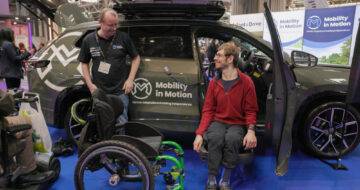
One of the biggest misconceptions is that adapted vehicles somehow fall outside normal driving regulations. Many people searching for information on DVLA car adaptations are surprised to learn that adapted driving is a well-established and supported route for maintaining safe independence on the road.
Vehicle adaptations are recognised and supported by organisations such as the DVLA and Driving Mobility, helping people continue driving safely when standard vehicle controls are no longer suitable.
Popular adaptations can include:
- Hand controls
- Left foot accelerators
- Steering aids
- Pedal modifications
- Swivel seats
- Person hoists
- Boot hoists
- Wheelchair rooftop box
For many drivers and passengers, these adaptations are what make safe, comfortable and independent travel possible. In some circumstances, the DVLA may even require a driver to use vehicle adaptations to ensure they can maintain safe control of their vehicle.
The Reality: Adapted Drivers Often Go Through More Safety Checks
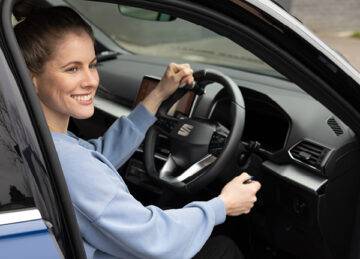
Many people assume vehicle adaptations reduce safety. In reality, drivers using adaptations often go through additional assessments and checks that many standard drivers never experience.
Depending on their circumstances, drivers may be advised or required to undergo a specialist driving assessment before returning to driving or using adapted controls.
These assessments help determine:
- Whether driving remains safe
- Which adaptations may be required
- Which controls are most suitable
- Whether additional tuition or familiarisation may be beneficial
The goal isn’t simply to enable someone to drive, it’s to ensure they can do so safely and confidently. This is one of the reasons adapted driving is often misunderstood. The process places significant emphasis on safety, capability and suitability before recommendations are ever made.
For many customers, this additional level of assessment provides reassurance that the adaptations being recommended genuinely support safe driving.
Adaptations Are Designed Around Safety Standards
Another common concern is whether vehicle adaptations are as safe as standard vehicle controls.
The answer depends largely on the quality of the adaptation itself and who supplies it.
At Mobility in Motion, safety is our highest priority. That’s why we only supply products from trusted and established vehicle adaptation manufacturers within the mobility industry. These include leading manufacturers such as our own group manufacturers:
Along with:
These manufacturers specialise in vehicle accessibility and driving adaptations, developing products specifically designed to meet the standards expected within the mobility industry.
This is very different from purchasing low-cost products from online marketplaces or unverified sellers, where the origin, testing and suitability of products may be unclear.
When it comes to driving controls and vehicle accessibility equipment, safety should never be compromised. Choosing reputable manufacturers helps ensure products are designed, tested and supported for their intended purpose.
For us, recommending trusted manufacturers isn’t simply about product quality, it’s about helping drivers and passengers travel with confidence.
Why Professional Installation Matters
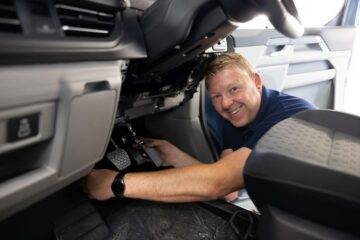
The adaptation itself is only part of the safety equation. Professional installation is equally important. If you’re wondering who can fit car adaptations, the answer is trained adaptation specialists who have received manufacturer-specific installation training for the products they fit.
Many people assume that any garage or mechanic can install vehicle adaptations. In reality, driving aids and accessibility adaptations should only be installed by trained adaptation specialists.
Professional adaptation installers receive manufacturer-specific training to ensure products are fitted correctly and function exactly as intended. This is particularly important for driving aids and electronic systems that directly affect how a vehicle is operated.
At Mobility in Motion, our network of installers are trained to fit adaptations safely and correctly, following manufacturer guidelines and industry best practices. This means customers can be confident that their adaptation has been installed by experienced professionals who understand both the equipment and the vehicle.
Why Mobility Assessments Are So Important
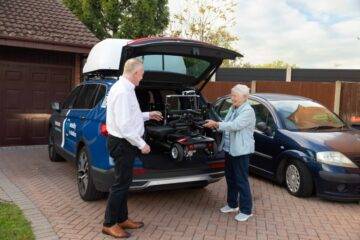
A common misconception is that vehicle adaptations can simply be ordered online and fitted without any professional input.
In reality, the most successful outcomes start with an assessment. Our Mobility Assessments consider:
- Your mobility needs
- Transfer requirements
- Vehicle compatibility
- Seating and posture requirements
- Long-term mobility considerations
By assessing both the individual and the vehicle, we can recommend solutions that are safe, practical and appropriate for everyday use.
In many cases, an assessment can also identify alternative solutions that may work better than the adaptation originally being considered. Most importantly, it gives customers confidence that they’re choosing a solution that genuinely supports their independence and safety.
Will My Insurance Be Affected?
One of the most common questions we receive is: “Do car adaptations affect insurance?”
When it comes to declaring car adaptations for accessibility, it’s always best to contact your insurer before or shortly after installation so they can update your policy and confirm cover. Adaptations designed to improve accessibility and driving safety are widely recognised within the insurance industry.
Many insurers are familiar with adapted vehicles and the requirements surrounding them. As these are disability adaptations and not performance modifications, these shouldn’t affect your premiums. But you must contact your insurer to declare these, check their policy and insure that your adaptations are covered.
Common Myths About Vehicle Adaptations
Myth: Car adaptations make vehicles less safe
False, vehicle adaptations are often recommended specifically to improve safety and enable continued vehicle control where standard functions are no longer suitable.
Myth: Any garage can install vehicle adaptations
Vehicle adaptations should only be installed by trained mobility adaptation specialists.
Many adaptations require manufacturer-specific training and specialist knowledge to ensure they are fitted correctly and operate safely. Using a professional installer helps ensure the adaptation performs as intended and provides long-term reliability.
Myth: Adapted drivers face lower safety standards
If anything, adapted drivers often undergo additional assessments and reviews to ensure they can continue driving safely.
Myth: Adaptations are only for drivers
There are also many adaptations designed for passengers, helping make vehicle access safer, easier and more comfortable.
Myth: All vehicle adaptations are the same
The quality, design, testing and support behind vehicle adaptations can vary significantly. That’s why choosing trusted manufacturers and specialist suppliers is so important.
Ready to Explore Vehicle Adaptations?
Taking the first step towards vehicle adaptations can feel like a big decision, especially if you’re unsure what options are available or whether they’re right for you.
The good news is that you don’t have to figure it out alone.
A Mobility in Motion Mobility Assessment allows our specialists to understand your individual requirements, evaluate your vehicle and recommend the safest and most suitable solutions for your needs.
Speak to our friendly team and discover which vehicle adaptations could help you travel with greater confidence, comfort and freedom.
Get in touch to book a mobility assessment
Frequently Asked Questions About Car Adaptations
Are car adaptations legal in the UK?
Yes. Car adaptations are completely legal in the UK when they are professionally recommended, supplied and installed. In fact, many adaptations are specifically designed to help drivers continue driving safely when standard vehicle controls are no longer suitable. If you’re researching are car adaptations legal UK or disabled car adaptations laws UK, the key consideration is ensuring the adaptation is appropriate for your needs and fitted correctly by an approved vehicle adaptations installer.
Do I have to tell the DVLA if I adapt my car for a disability?
Not always. However, if your medical condition affects your ability to drive or requires the use of driving adaptations, you may need to inform the DVLA. The DVLA will assess your circumstances and advise whether any licence updates, restrictions or driving assessments are required. This is why many people refer to DVLA car adaptations guidance when considering adapted driving.
Do I need a specific assessment to drive a legally adapted vehicle?
Not in every case, but a driving assessment may be recommended or required depending on your circumstances and medical condition. Driving assessments help identify the most suitable adaptations and ensure you can operate them safely and confidently. At Mobility in Motion, we strongly recommend a Disability Driving Assessment if you’ve never driven with adaptations before.
If you’re simply looking at adaptations that help you get seated and/or lift your mobility equipment, rather than adaptations for driving, then a driving assessment is not required.
Do disabled car adaptations affect my car insurance premiums?
In most cases, disability-related vehicle adaptations are not treated in the same way as performance modifications. However, you should always notify your insurer when adaptations are fitted. When considering declaring car adaptations for disability, the most important step is ensuring your insurer is aware of any changes and confirms the adaptations are covered under your policy.
How do I know if my car adaptations are safe and compliant?
The safest approach is to choose adaptations from trusted manufacturers and ensure they are professionally installed by trained adaptation specialists. At Mobility in Motion, we only supply products from reputable vehicle adaptation manufacturers and work with trained installers to help ensure every adaptation is fitted safely and correctly.
Are Motability adaptations automatically legal?
Yes. Adaptations supplied through the Motability Scheme are designed to support safe vehicle access and driving. However, as with any adaptation, suitability should still be assessed based on the individual’s needs, vehicle and mobility requirements. When considering Motability adaptations safety, a professional assessment remains the best way to identify the most suitable solution.
Who can fit car adaptations?
ehicle adaptations should only be installed by trained adaptation specialists. Many products require manufacturer-specific training to ensure they operate safely and as intended. If you’re researching who can fit car adaptations, it’s important to choose a specialist installer rather than assuming any garage or mechanic can carry out the work safely.

Accessible travel
Making Family Life Easier: Choosing The Right Vehicle For Disabled Families
Whether you’re transporting a wheelchair, or adapting the vehicle for a disabled driver, find out how to choose the right vehicle.

Driving with adaptations
Car Insurance for Disabled Drivers
Learn how car insurance works for adapted cars. Discover what to declare, common misconceptions and how Adapt & Drive can help.
Accessible travel
Who Can Drive a Motability Car?
One question continues to come up time and again: who can actually drive a Motability car? Here we outline the simple guidance.